Compact And Thin Liquid-Cooled Plate Water Cooling Distro Plate
Heat dissipation plays a pivotal rolein the development of the digital economy.
As the physical cornerstone of digital infrastructure and an indispensable key link in the computing power industry chain, thermal management technology strongly underpins various digital scenarios — ranging from national-level data centers, artificial intelligence computing clusters and supercomputing centers down to personal computers, smartphones and Internet of Things (IoT) devices — serving as a robust hard-core support for the steady operation and sustained growth of the digital economy.
Applications in High-end Manufacturing
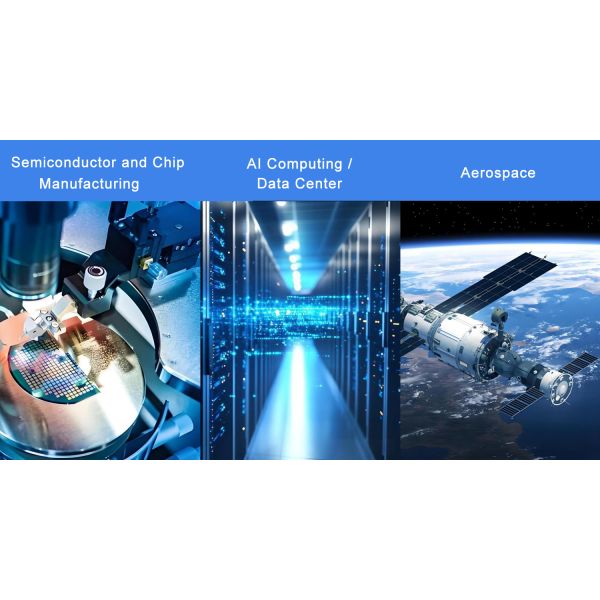
Semiconductor and Chip Manufacturing
Advanced packaging technologies (e.g., 3D stacking) lead to heat accumulation inside chips, where the thermal conductivity of traditional materials has become a bottleneck.
AI Computing/Data Centers
With the surging heat flux density of chips, traditional cooling methods are struggling to meet the demand, making thermal management an "invisible ceiling" that restricts the improvement of computing power.
Aerospace
The space environment features extreme temperatures and high vacuum, where convective heat dissipation is not feasible.
As a result, aerospace equipment is exposed to harsh temperature fluctuations.
Applications in Daily Life
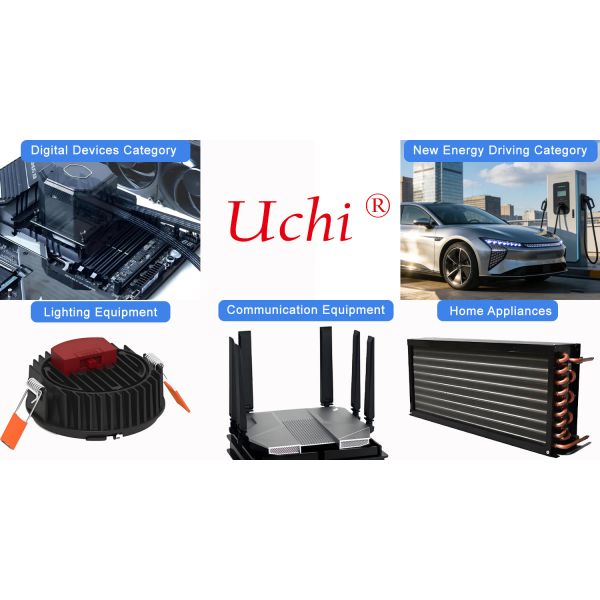
Digital Devices
Internal heat dissipation modules composed of metal cooling fins are fitted in computers, mobile phones, game consoles and other devices to ensure their sustained performance.
Communication Devices
To guarantee the stability of high-speed data transmission and processing, these devices are usually equipped with large heat sinks.
Household Appliances
Compressors and external unit condensers require efficient heat dissipation performance, as they continuously transfer heat from indoor spaces to the outdoors.
Lighting Devices
Efficient heat dissipation design ensures the luminous efficacy and long service life of LED lamp beads; the realization of energy conservation is inseparable from the support of heat dissipation technology.
New Energy Vehicles
New energy vehicles require a sophisticated liquid cooling system to maintain an optimal operating temperature.
Pain Points in the Traditional Heat Dissipation Manufacturing Industry
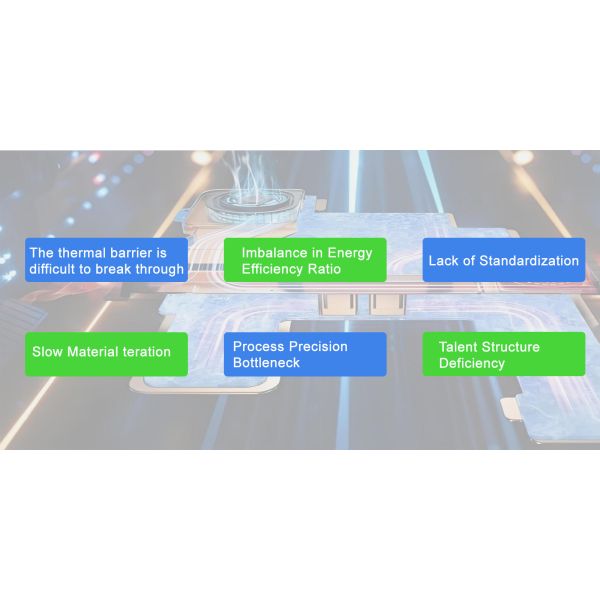
Emergence of Iteration Demands
Traditional air-cooling technology is no longer able to meet the heat flux density demand of over 50W/cm² for high-performance processors such as AI chips.
The performance of thermal conductive materials has hit a bottleneck, and the thermal conductivity coefficient of conventional thermal greases is difficult to exceed 5W/m·K.
Although liquid cooling technology delivers superior performance, it features complex production processes and high technical requirements.

Product Transformation and Upgrading
The heat dissipation industry is undergoing a strategic transformation from a supporting industry to a key core technology sector. Its upgrading path is clearly defined:
In terms of technology, it is shifting from uniform heat dissipation to precision temperature control, with liquid cooling technology emerging as the mainstream solution;
In terms of industrial positioning, it is transforming from a manufacturer to a "heat dissipation as a service" solution provider;
In terms of material systems, it is evolving toward high thermal conductivity and intelligence;
In terms of manufacturing paradigms, it is deeply integrating digitalization and additive manufacturing.
Essentially, this transformation is an identity revolution from an auxiliary process to a leading design. Heat dissipation capacity has become one of the core indicators for measuring the competitiveness of the digital economy.
Cold Plate Radiator Design
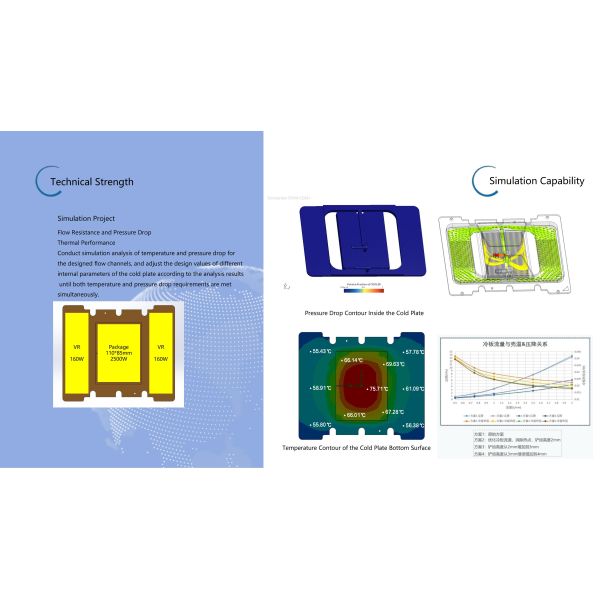
Custom internal flow channel design based on customer power consumption data and heat distribution patterns. Our engineering process includes comprehensive simulation analysis with iterative parameter adjustments to achieve optimal thermal and hydraulic performance targets.

Company Advantages
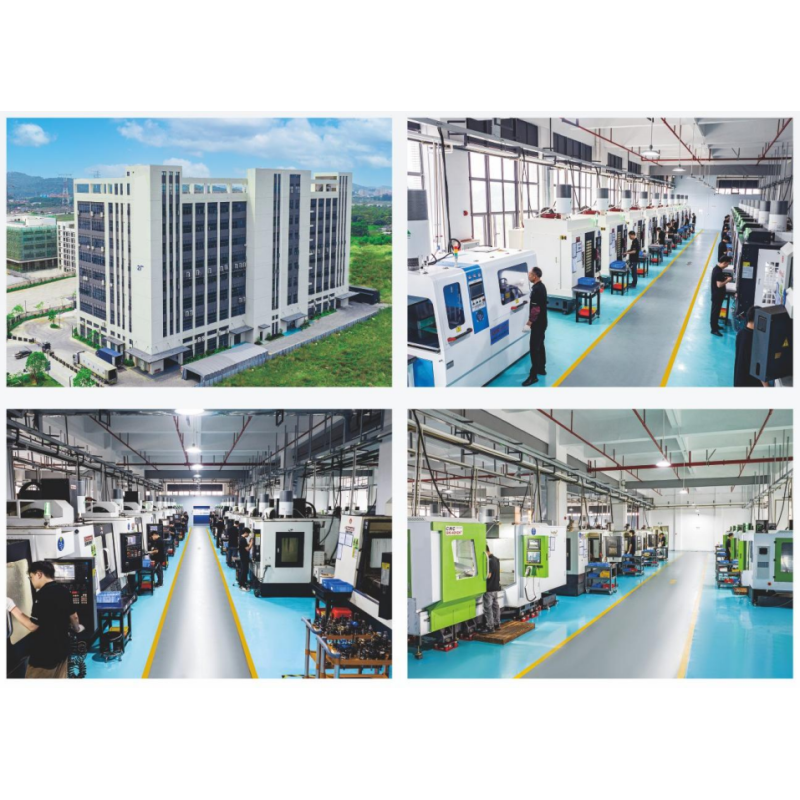
The mold workshop is equipped with 22 sets of electric discharge machines (EDM) of various types, including 2 MAKINO mirror EDM machines. It also has 9 wire-cut EDM machines (low-speed), among which 3 are Seibu wire-cut EDM machines and 1 is Sodick wire-cut EDM machine imported from Japan. In addition, the workshop is furnished with 7 spark erosion machines, 10 grinding machines, 2 milling machines and 1 lathe.
Powerful Equipment & Hardware Capabilities:
Table size: 500×350 mm
Rapid traverse speed: 5000 mm/min
Maximum workpiece weight: 500 kg
Maximum electrode weight: 50 kg
High Machining Precision:
Adopting the new SuperSpark4 and IES (Intelligent Expert System) technologies, we provide advanced adaptive power supply and jump control to stabilize the EDM process and improve machining precision simultaneously. Equipped with advanced ultra-surface and ultra-edge generator technologies, the workshop is capable of achieving excellent surface finish and metallurgical quality.
Liquid Cooling System Technology
High-power liquid cooling systems require heat sinks capable of rapid heat absorption. Leveraging the high specific heat capacity of liquids, our systems transfer large amounts of heat through liquid flow, capable of dissipating heat ranging from several hundred watts to over one kilowatt.
Liquid Cold Plate Varieties
- Buried-tube Liquid Cold Plate: Fabricated by grooving plates, burying and welding copper tubes inside, then hermetically sealing via welding. Ensures reliable liquid tightness, operational safety, and high flatness for excellent thermal contact.
- Inserted-tube Liquid Cold Plate: Manufactured by embedding copper tubes onto aluminum plate surfaces using welding or bonding processes, with strict flatness control for minimal thermal resistance.
- Channel-type Liquid Cold Plate: Internal flow channels formed on copper or aluminum substrates through drilling, extrusion, and precision machining, sealed via friction welding or high-temperature brazing.
- Liquid Cooling Block: For high-power chip heat dissipation with internal flow channels created through skiving fin technology to maximize heat exchange surface area.
Product Applications
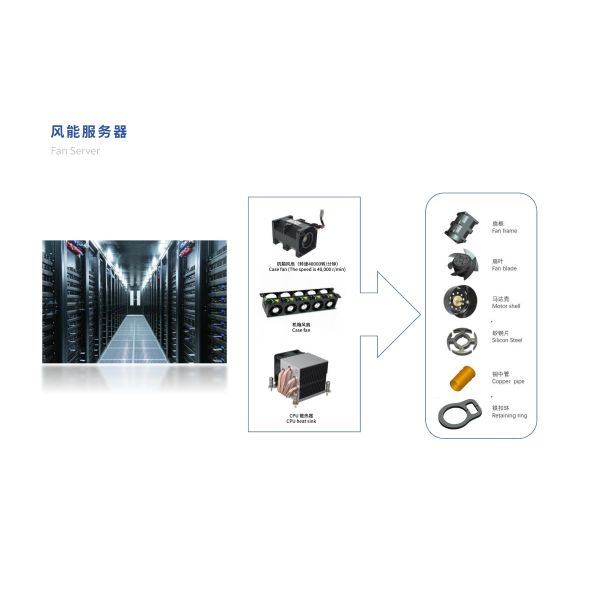
Quality Assurance
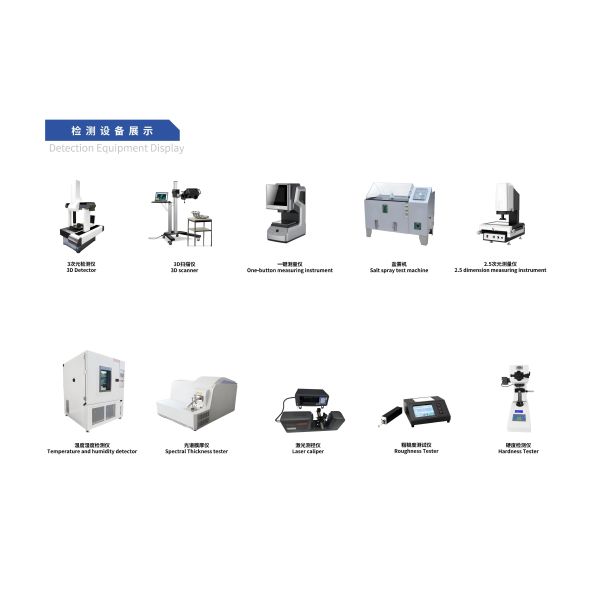
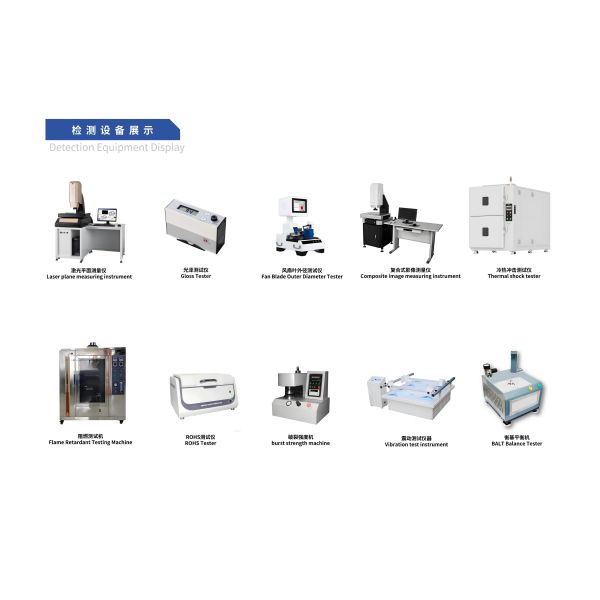
We maintain rigorous quality standards with comprehensive testing equipment including:
- 1 Coordinate Measuring Machine
- 1 projector instrument
- 2 water high pressure testing machines
- 4 thermal resistance testing machines
- 2 liquid leakage testing machines

Customer Service Commitment
- Prompt response to all inquiries
- Competitive pricing with guaranteed quality
- Efficient production scheduling
- Optimal transportation solutions
- Comprehensive technical support
Frequently Asked Questions
Are you a trading company or manufacturer? We are a professional manufacturer of heat sinks and water cooling plates with extensive experience and a strong technical team, featuring automated and mechanized production.
Have you exported goods before and to which regions? 60% of our total production is exported to Japan, India, UK, Canada, USA, and Brazil.
How many employees do you have? Approximately 100 employees across sales, purchasing, engineering, QA, warehouse, and production departments.
Can you provide samples if we agree with the design? Yes, we provide samples for confirmation before mass production, along with technical drawings if required.
What packing methods do you use? Customized packing with normal cartons and tight-proof fabric or wooden cartons for optimal protection during transportation.
Do you provide technical support for product issues? All products are fully inspected before shipping. For any issues, we provide immediate technical solutions.